

It’s challenging to calculate the exact net worth of the Catholic church in 2026, but it is possible to look at available data and the church’s vast assets and make a calculated guess.
As one of the largest private institutions in the world, with expansive real estate holdings across the globe and 1.4 billion members, the Catholic church has substantial wealth. However, it also has significant liabilities and expenses.
Given its churches, museums, priceless art and artifacts, educational institutions, parishioner donations, the Vatican Bank, and more, we estimate the Catholic church’s net worth in 2026 to be between hundreds of billions to over a trillion. The number is hard to calculate because several of the church’s assets are truly priceless, like the Sistine Chapel, not to mention the vast amount of historical papers in the Vatican archives.
Is the Catholic Church the Richest Organization in the World?
No, the Catholic church is not the richest organization in the world. It’s unique because it’s a religious institution, not a large corporation. Not only that, but it’s an institution that exists not only within its own small country, the Vatican, but in real estate all over the world. As a private institution, not a publicly traded company, the church does not publish detailed lists of assets.
However, based on its significant impact all over the world, it’s undoubtedly one of the wealthiest organizations in existence, though not the most affluent one.
What is the Richest Church in the World?
Because the Catholic church does not report its exact net worth, it’s challenging to say whether or not it’s the richest church in the world.
It’s reported that The Church of Jesus Christ of Latter-day Saints holds $100 billion in invested assets, which could be more than the Catholic church holds. However, the Catholic church owns more land and real estate and more valuable artifacts given its history and age.
What is the net profit of the Catholic church?
Net profit is different from net worth. The church’s net worth is a calculation of all of its assets, such as investments, land, art, artifacts, and cash holdings, minus any debts such as budget deficits, mortgages, and more.
Typically, organizations measure net profit annually. So, the net profit of the Catholic church would be its earnings in one year minus its losses. There is no detailed report on all of the Catholic church’s combined annual earnings.
What is the net worth of the Vatican?
While the Vatican and the Catholic church are often used interchangeably, the Vatican refers to the sovereign nation where the church headquarters reside. According to reporting from Al Jazeera, the Vatican maintains its own budget.
Vatican income comes from multiple sources within the nation, including real estate, schools, hospitals, donations, the Vatican bank, and tourism. The last time the Vatican issued a financial report was in 2023, which showed a $90 million deficit in its annual operating budget.
There is a deficit in the Vatican pension fund as well, which is the account that pays retired Vatican employees. This deficit is a whopping $717 million, as reported in 2022, though no solution has been presented yet.
Where does the Catholic church’s money go?
The Catholic church spends its money in several ways. It pays salaries to church staff, maintains buildings across the world, pays staff at Catholic schools, and makes donations to a number of charities.
However, as previously stated, the church also has a number of expenses and liabilities. It has a pension fund, deficits in the budget, the cost to maintain a significant amount of historical buildings, and millions of dollars in legal expenses.
How transparent are the Catholic church’s finances?
In the past, the Catholic church has not been especially transparent with its finances. There have been several reported incidents of money mismanagement within the church. Just recently, the public chided the church’s acquisition of an expensive London property, which the Vatican sold at a $159 million loss.
However, a recent article in Fortune notes that one of Pope Francis’ legacies is the effort he put into reforming the church’s finances. The article reports that the Vatican Bank, with holdings of $6.1 billion as of 2023, has a colorful history of corruption. However, Pope Francis and his predecessor, Pope Benedict XVI, in an effort to be more transparent, got the Vatican Bank to publish annual reports starting in 2013.
Unfortunately, the church still had corruption as recently as 2023, when Cardinal Angelo Becciu was sentenced to 5.5 years in prison for embezzling church money.
How much land does the Catholic church own?
According to the Madison Trust, the Catholic Church is the second-largest private landholder in the world, after King Charles and the British Royal Family. Though there is no exact list of every piece of property the church owns that’s publicly accessible, it’s estimated to be about 177 million acres across the globe.
How does the Catholic church make money?
The Catholic church makes money in several ways. This includes obvious ways, such as parishioners’ offerings during Mass. However, it earns money through vast real estate portfolios, investment income, and tuition from Catholic schools. The Vatican Museum is also a significant tourist draw, where millions of people, both Catholics and non-Catholics, come to see historic works of art, like the Sistine Chapel.
Pope Francis, who passed away in 2025, was known for commenting on economic reform. He was concerned with the Vatican’s budget deficit; however, over the years, the church still made significant investment income and increased its assets.
The National Catholic Reporter shared that the Vatican made nearly $50 million in investment portfolio profit in 2023. However, that represents profit for only the investment portfolio, not the Catholic Church and all of its assets and liabilities as a whole.

What is the Pope’s salary?
The pope could receive a six-figure salary, according to Fortune, but several of the previous popes have not accepted this salary and have donated it instead. The church provides housing, food, transportation, and even access to a private pharmacy for the pope.
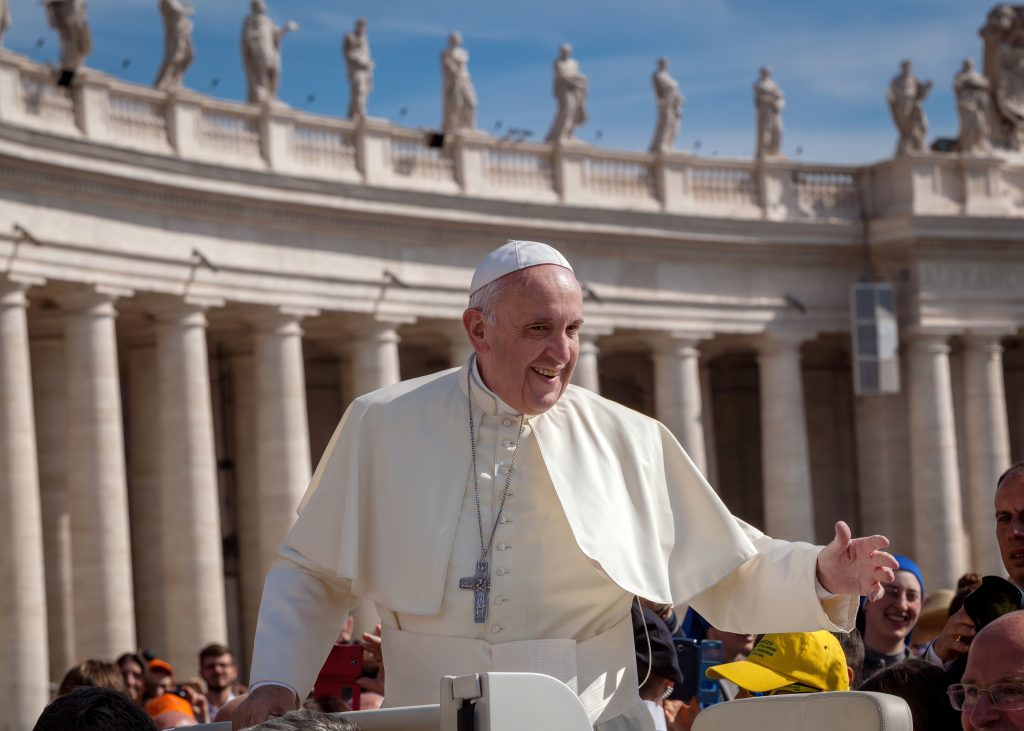
Pope Francis was known for living a simple life. He did not live in the lavish Pope quarters and instead preferred a minimalist home. Because Popes are the head of the church, their salaries and lifestyles are different from those of other prominent leaders, like royalty or politicians. Popes are expected to act with humility and to dedicate their lives in service of others.
Because Pope LEO XIV has only been in his position for a short time, there haven’t been reports on his tendencies or preferences for how and where he lives yet.
Is the Catholic Church Losing Money in 2026?
The Catholic Church continues to face significant financial pressure tied to abuse-related legal costs. According to a Catholic news organization and data from Georgetown University, the Church has spent more than $5 billion on settlements and related expenses, with roughly 75% going directly to victims.
At the same time, broader cultural shifts are impacting attendance. A report from Durham University found that abuse scandals have contributed to declining Mass participation in some regions. Because the Church relies in part on weekly attendance and donations, lower turnout can directly affect local parish finances.
However, the global picture is more complex. While some regions—particularly in the U.S. and Europe—have seen declines, the Church continues to grow in parts of Africa, Asia, and Latin America. That growth helps offset losses and keeps the institution financially resilient on a global scale.
Trending: JD Vance Net Worth 2025